Our tips for running, walking and staying fit: getting started, improving, eating and sleeping well, and avoiding injuries. Every article cites its sources.
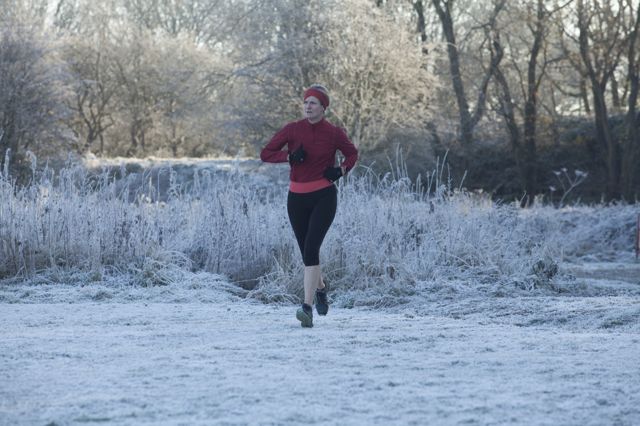
The temperature drops, and so does motivation? With the right layers of clothing and a proper warm-up, running in autumn and winter becomes a real pleasure. Our tips for not putting your trainers away until spring.
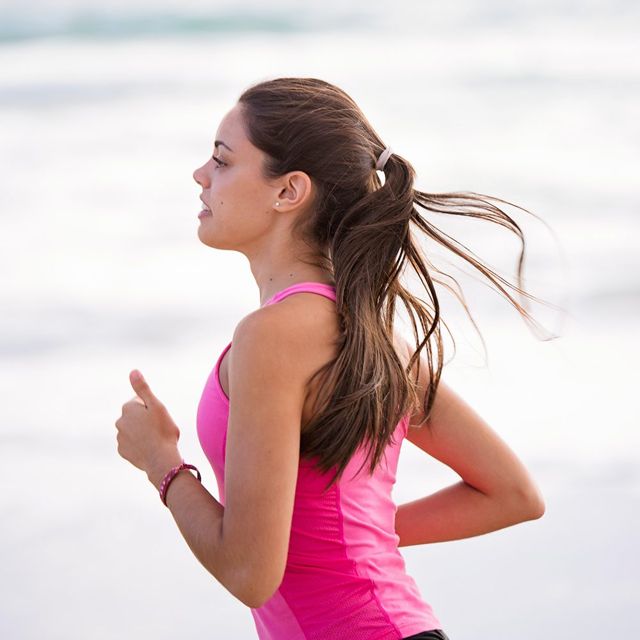
You don't need to change everything to run better. Relaxation, cadence, arm action and a strong core are often enough to make your stride lighter and more economical. Our pointers for improving step by step.
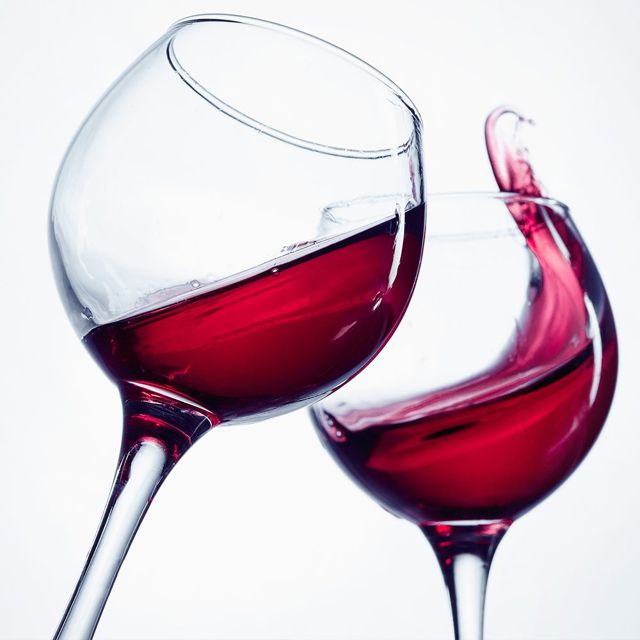
An American study showed that people pour more wine into a wide glass, and when holding the glass in their hand. A good reason to keep an eye on quantities, especially when you do sport.
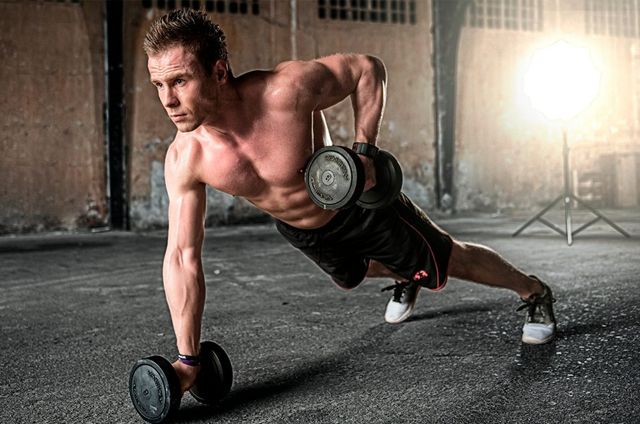
Press-ups, planks, squats: a large analysis of more than 80,000 adults links strength training to a lower risk of premature death. A good reason to complement your runs with a little strength work.
In a laboratory study, adults deprived of sleep for five nights gained more weight than those who slept normally, partly because they ate more late at night. Sleep, the little-known ally of runners.
A large review of more than 200 analyses links 3 to 4 cups of coffee a day to a lower risk of several diseases. Good news for coffee lovers, with a few precautions, and a word on coffee before running.
Japanese researchers observed in mice that fish oil might activate cells that burn fat instead of storing it. A promising lead, but no reason to rush for supplements: here is what to take away.
A Chinese study linked regular consumption of raw garlic to a lower risk of lung cancer. An interesting result, but one that does not prove that garlic protects: an explanation, and good reasons to keep it in your kitchen.
Physical activity is associated with better sexual health, but in some men, very intense endurance training might on the contrary dampen desire. What studies say, and why recovery matters.
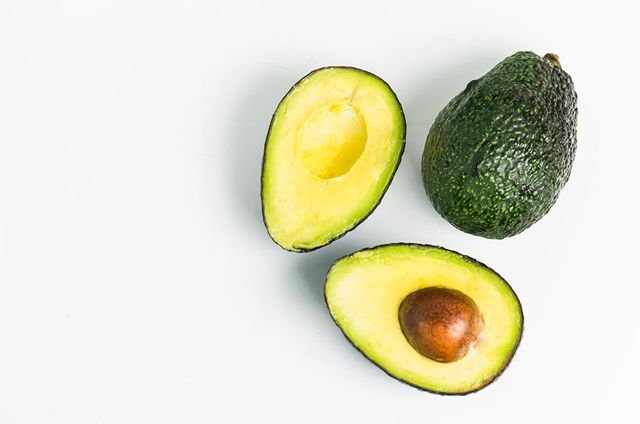
In a small study, adding half an avocado to lunch made participants feel fuller and less inclined to eat in the following hours. A simple idea for afternoon cravings.
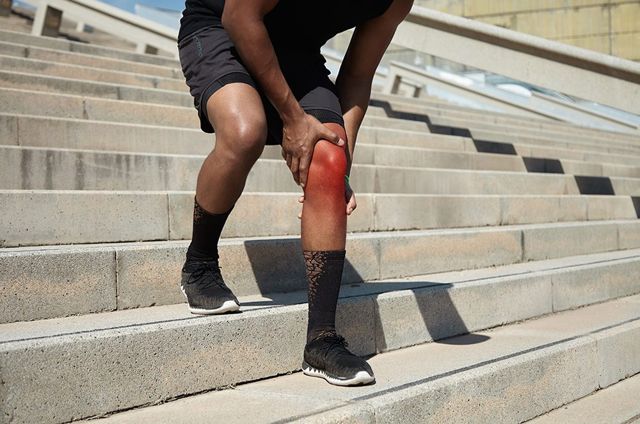
Cavities, inflamed gums, a painful wisdom tooth… Among athletes, poor oral health is common and can interfere with training. The link with tendinitis is often mentioned but remains poorly proven: what we really know.
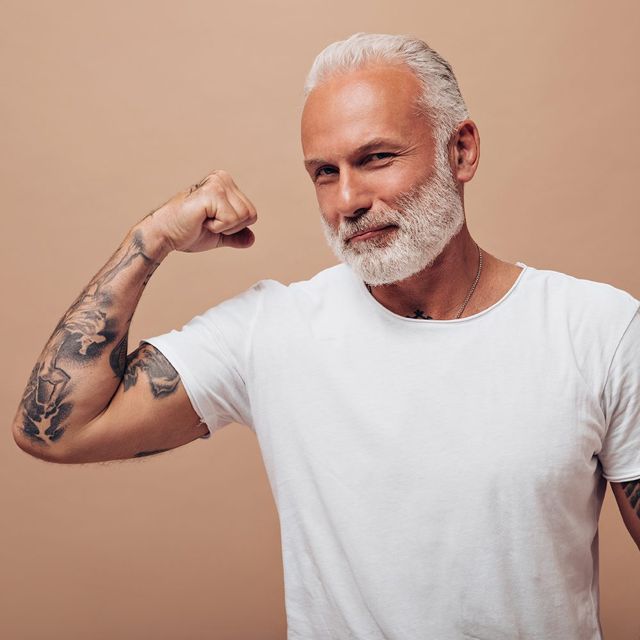
With age, we gradually lose muscle mass and strength. A study from Quebec suggests that spreading protein evenly over three meals is associated with more strength in older people. Together with strength training, a simple lead.