Garlic, a health ally? What studies say (and don't say)
A Chinese study linked regular consumption of raw garlic to a lower risk of lung cancer. An interesting result, but one that does not prove that garlic protects: an explanation, and good reasons to keep it in your kitchen.
Correlation is not causation: a food associated with better health is not necessarily its cause.
The study
In 2013, Chinese researchers compared nearly 1,500 people with lung cancer with around 4,500 healthy people, asking them about their habits. Those who said they ate raw garlic at least twice a week had a risk of lung cancer about 44% lower. The link remained among smokers, but was weaker.
Why caution is needed
This is an observational study (known as a "case-control" study), not an experiment: it shows an association, not proof that garlic protects. People who eat raw garlic may have other healthy habits, and participants' memories of what they ate may be imprecise.
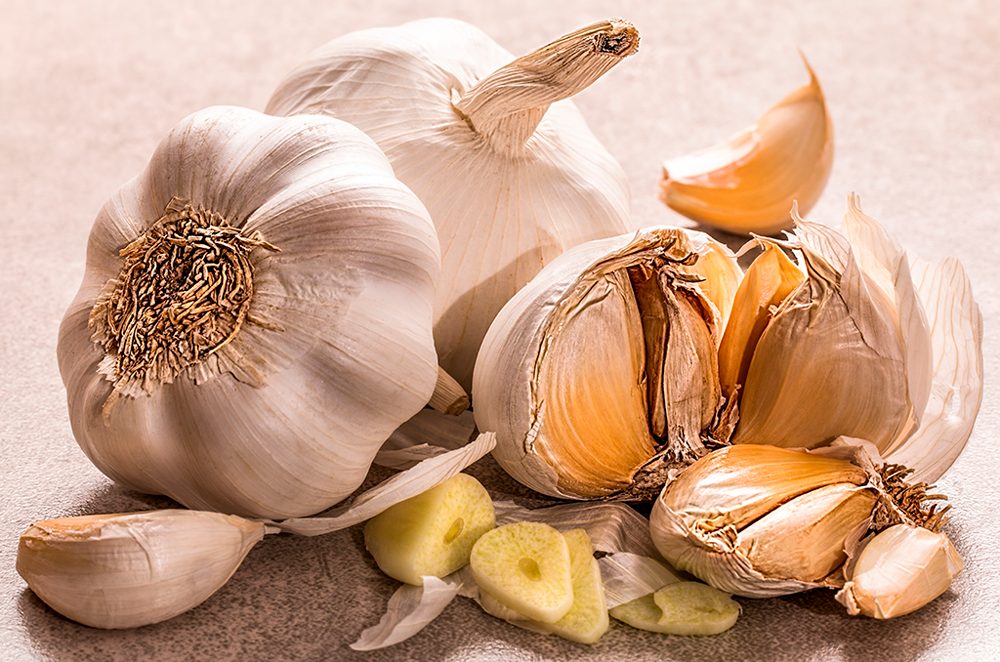
The researchers point to the role of sulphur compounds such as allicin, released when garlic is crushed or chewed. There are leads, but nothing today allows garlic to be recommended as a way of preventing cancer.
The most important message remains this: the leading cause of lung cancer is smoking, and stopping is by far the most effective step.
Keep garlic in the kitchen, for the taste… and the rest
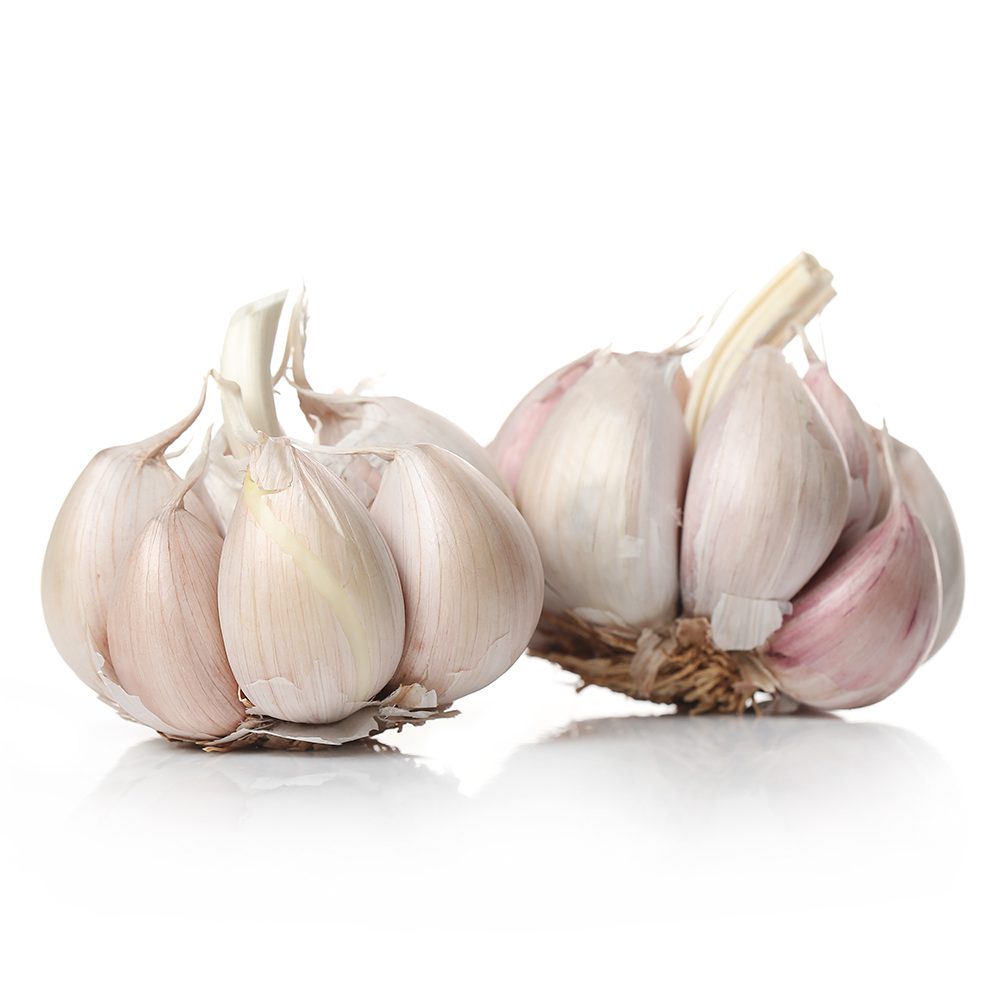
Garlic flavours dishes without adding salt or fat: a real asset for healthy cooking. Raw or cooked, in a dressing, pan-fried vegetables or a soup, it has its place in a varied diet rich in fruit and vegetables.
Sources
- Jin Z.-Y. et al., "Raw garlic consumption as a protective factor for lung cancer, a population-based case-control study in a Chinese population", Cancer Prevention Research, 2013. See on PubMed
- Institut national du cancer (French national cancer institute), risk factors and prevention, e-cancer.fr.
garlicnutritionprevention