
Running in the cold: dress in layers and warm up well
The temperature drops, and so does motivation? With the right layers of clothing and a proper warm-up, running in autumn and winter becomes a real pleasure. Our tips for not putting your trainers away until spring.
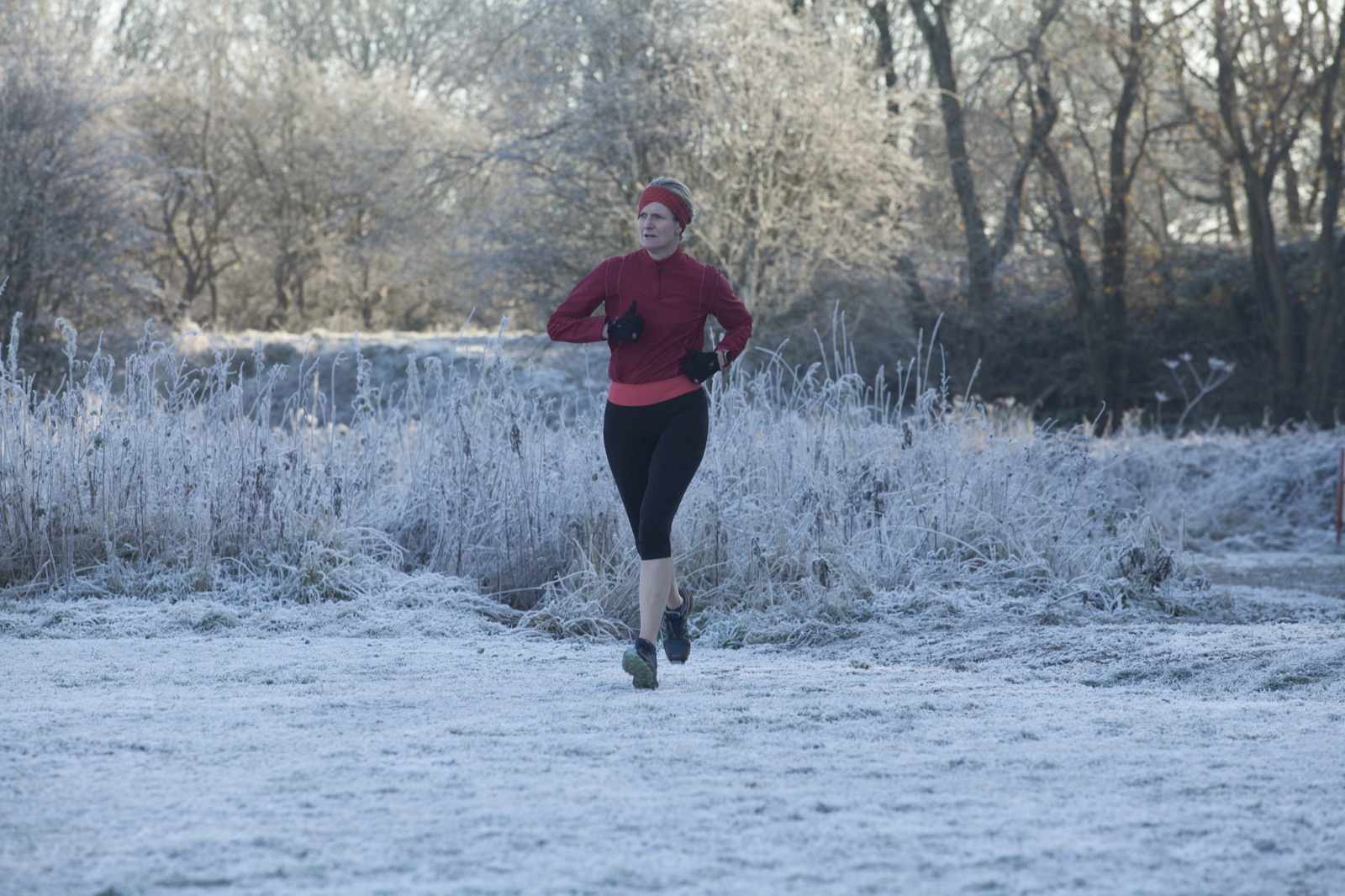
There is no such thing as bad weather for running, only the wrong clothes… and the wrong warm-up!
At the end of October, mornings are cooler, the wind bites a little and it is easy to find an excuse to stay in the warm. Yet running in the cold has real advantages: the fresh air is invigorating, you overheat less during the effort and you make the most of the daylight, so precious in winter. A few simple habits are all it takes to keep your runs enjoyable and safe.
The three-layer principle
The secret is to wear several thin layers rather than one thick jumper. The air trapped between the layers insulates you, and you can take one off if you get too warm.
- First layer, next to the skin: a technical top that wicks away sweat (synthetic or merino wool). Avoid cotton: it holds moisture and becomes cold and heavy as soon as you sweat.
- Second layer, to insulate: a slightly thicker long-sleeved top, such as a thin fleece. When it is really cold, this is the one that makes the difference.
- Third layer, against wind and rain: a light windproof jacket, ideally water-repellent, with vents. It protects you without turning your run into a sauna.
A simple rule helps you avoid overdressing: dress as if it were 8 to 10 °C warmer than the temperature shown. You should feel a little cold for the first five minutes; after that, your body warms up very quickly.
Extremities first
The head, hands and feet are where you lose most comfort. A thin hat or a headband covering your ears, a pair of light gloves and slightly thicker technical socks are often enough to change how you feel completely. In very cold weather, a neck warmer that you can pull up over your mouth warms the air you breathe and stops you coughing.
For your legs, long tights or running trousers will do down to temperatures close to zero. Below that, some runners add a technical base layer.
A longer, more gradual warm-up
In cold weather, muscles and tendons are less supple at first. So take 10 to 15 minutes to warm up:
- A few minutes of mobility indoors before going out: ankle, hip and shoulder rotations, high knees on the spot.
- The first few minutes outside at a very slow jog, almost walking if necessary.
- A few light drills (butt kicks, high knees, side steps) before speeding up.
Keep fast sessions for milder days or for the end of your run, once you are well warmed up. And remember to start into the wind: you will have it behind you on the way back, when you are tired and damp with sweat.
Drink, even when you are not thirsty
The cold reduces the feeling of thirst, but you still sweat, and the dry winter air makes you lose water as you breathe. Drink a glass of water before you leave and take a small bottle for runs of more than an hour. A hot drink afterwards also does you a lot of good.
After the run: change straight away
This is when you cool down fastest. As soon as you get back, take off your damp clothes, put on dry, warm clothing and do your gentle stretches indoors. If you run far from home, keep a dry top and a windproof jacket in the car or your bag.
When is it better not to go?
Running in the cold is safe for a healthy person, but stay careful:
- in extreme cold (well below freezing, icy wind), shorten your run or replace it with an indoor session;
- on icy ground, the risk of falling is real: choose dirt paths or packed snow, or postpone;
- if you have asthma, a heart condition or circulation problems (Raynaud's syndrome, for example), ask your doctor for advice before running in the cold.
Chest pain, unusual breathlessness, white and numb fingers: stop, get warm and see a doctor if it does not pass.
In short
Three thin layers, gloves and a hat, a gradual warm-up, water and dry clothes afterwards: with these few habits, winter becomes a wonderful season for running. And when spring comes, you will already be in shape!
Sources
- Castellani J. W. et al., "Prevention of cold injuries during exercise", American College of Sports Medicine position stand, Medicine & Science in Sports & Exercise, 2006.
- Santé publique France (French public health agency), "Grand froid" (extreme cold) prevention advice, santepubliquefrance.fr.
- Assurance Maladie (French national health insurance), protecting yourself from extreme cold, ameli.fr.
coldwintergearwarm-up